

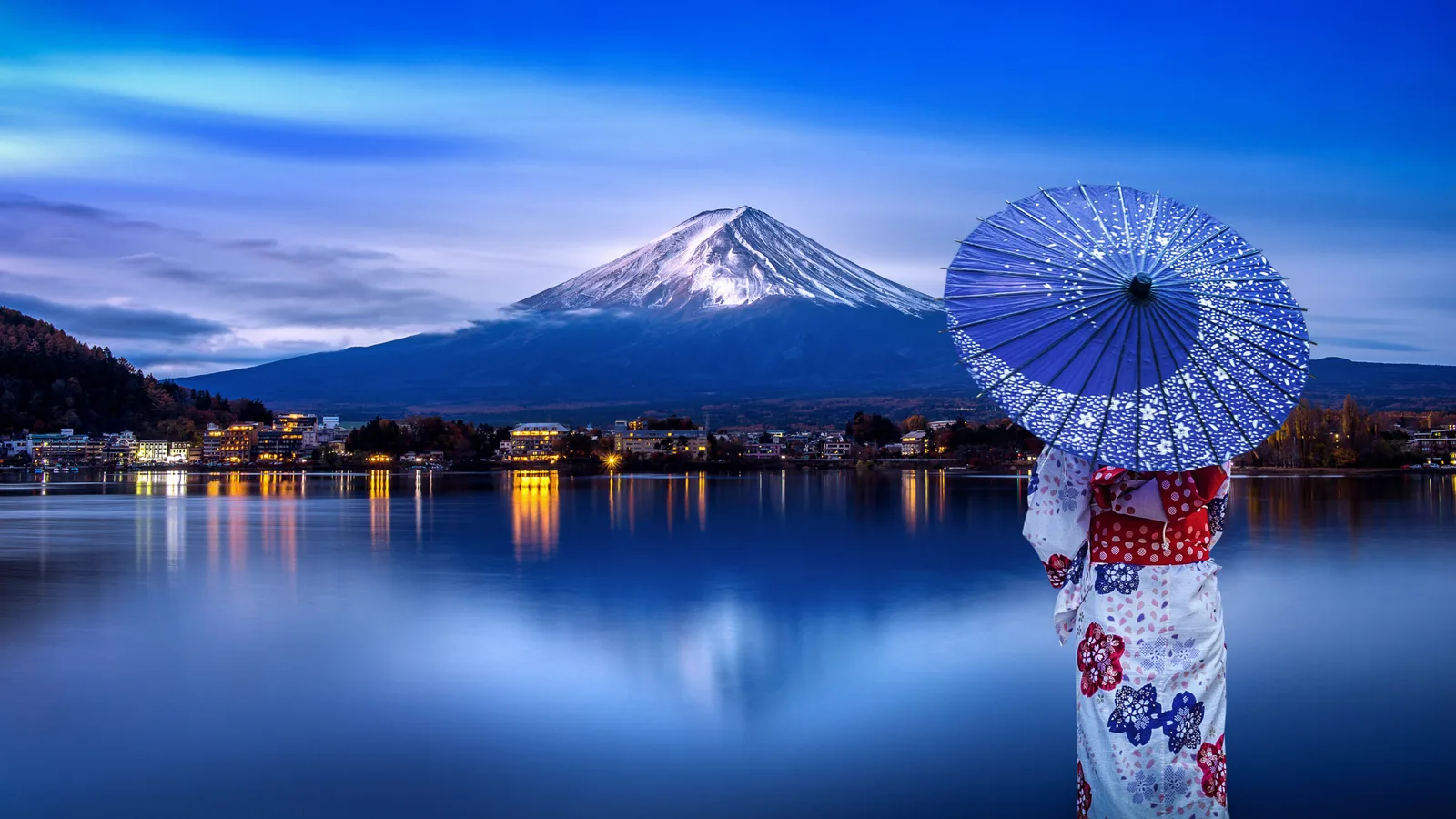
In recent years Japan has gone from being a niche destination to one of the most sought-after places on earth. One glance at Instagram is enough to see why: red torii fading into the horizon, bullet trains that run to the second, tables laid like works of art, futuristic skylines and onsen tucked away in nature. And yet, paradoxically, the more Japan is photographed, the more it seems to slip away from any genuine understanding.
Because Japan is not a destination that can be deciphered through a postcard or a thirty-second reel. It is a country of nuances, of rituals, of details that are almost invisible. And this is precisely where the idea of a luxury journey to Japan comes into its own. Not simply as a byword for exclusive hotels or premium services, but as a way of reaching a deeper level of the experience. True luxury, in Japan, lies in seeing what normally stays in the background.
Gastronomy as a cultural story
In many countries, people travel to see monuments. In Japan, people also travel to eat. And not only because Japanese cuisine is considered one of the most refined in the world, but because food is one of the most immediate ways of understanding the local mindset.
Take a dinner of wagyu, the country’s most celebrated beef. To a Western observer it might appear to be simply a product of the very highest quality. In truth it tells a far bigger story. It speaks of the pursuit of perfection, of an almost obsessive attention to every stage of production, of respect for the raw material and of the conviction that every detail, however small, contributes to the final result. The same goes for a sake tasting in Kyoto. Behind a single glass lie centuries of history, farming traditions, artisan practices and a culture of terroir that in some ways recalls that of European wine, yet with an entirely different sensibility.
Then there is kaiseki cuisine, regarded by many as the highest gastronomic expression of Japan. Here luxury has nothing to do with abundance. Quite the opposite. Every dish is composed to evoke a season, a landscape, a feeling. Even the ceramics on which the food is served become an integral part of the experience. In an age ruled by speed and fast consumption, Japanese gastronomy keeps reminding us that some things deserve to be experienced slowly, savoured moment by moment.
The luxury of silence in one of the most advanced societies on the planet
Perhaps the most surprising aspect of contemporary Japan is its ability to reconcile innovation with calm. On the one hand there are cities such as Tokyo and Osaka, global symbols of technology, design and urban development. On the other, a culture of silence survives that, for many European visitors, is a true discovery.
Think of Kyoto. Every year millions of people visit the Gion district hoping to glimpse a geisha or photograph the old wooden houses. But the real charm of the place emerges at dusk, when the streets begin to empty and the lanterns slowly come on. In those moments you understand how Japanese culture values not only what is seen, but also what is felt.
The same happens on a walk through the bamboo grove of Arashiyama, in the zen gardens of Kyoto’s temples or along the shores of Lake Ashi, at the foot of Mount Fuji. In an ever noisier world, silence has become a form of privilege. And Japan continues to guard it as a precious possession.
Sleeping in a ryokan: when hospitality becomes an experience
Many travellers remember their first stay in a traditional ryokan as one of the most intense moments of the entire journey. At first glance it might seem a rather spartan arrangement compared with Western standards of luxury. No grand lobbies, no theatrical effects, no ostentation. And yet this is exactly where one of the most interesting lessons Japan offers its visitors is to be found.
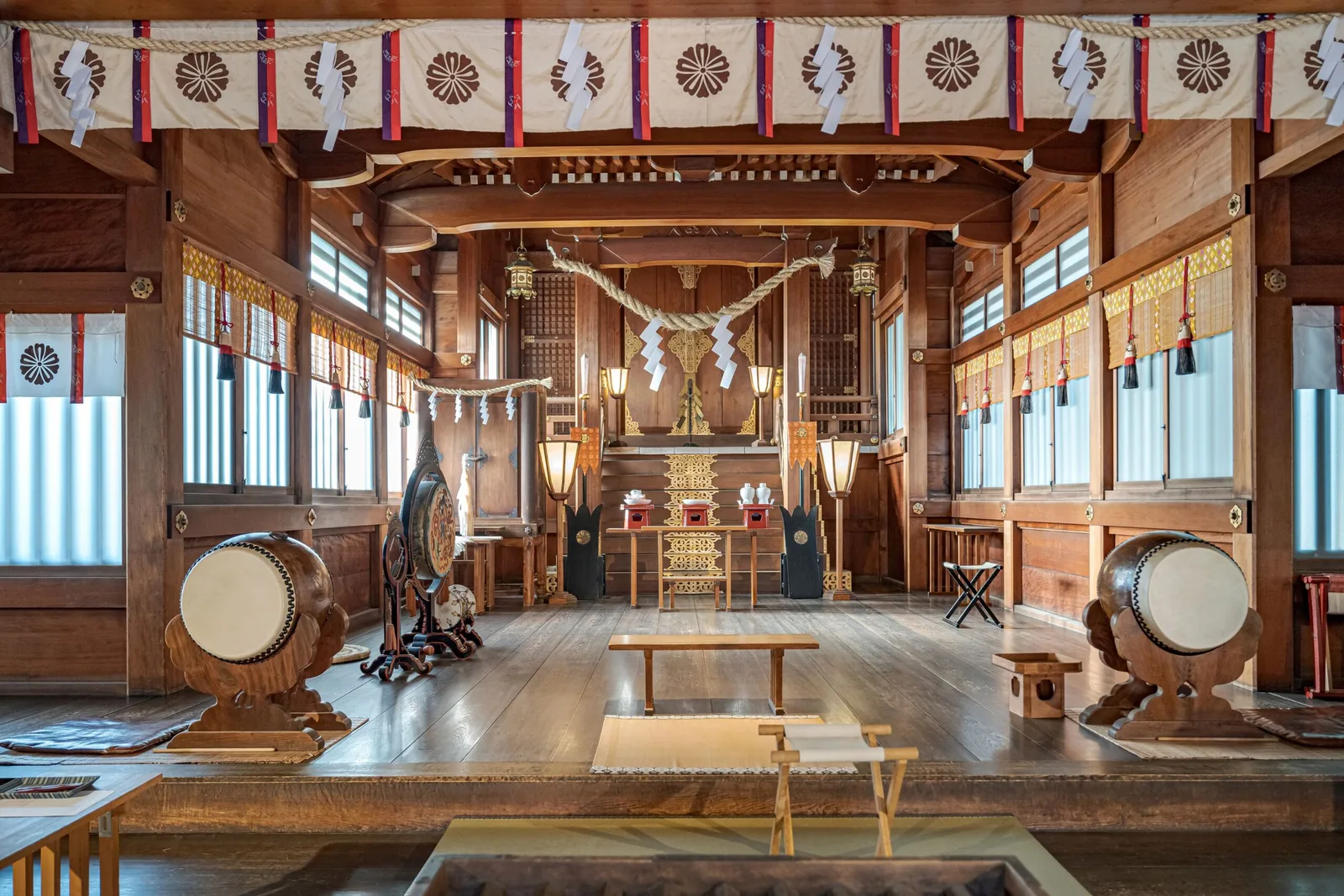
Walking barefoot on tatami, wearing a yukata, dining according to rituals handed down through generations and ending the day in an onsen means coming into contact with a concept of wellbeing entirely different from the one we are used to.
In places such as Hakone, at the foot of Mount Fuji, this experience takes on an almost meditative dimension. The thermal water, the natural landscape and the slower rhythm of daily life create an atmosphere that is hard to forget.
Japanese aesthetics: the luxury of invisible perfection
One of the reasons Japan holds such a powerful fascination for designers, architects, creatives and photographers around the world is its extraordinary attention to aesthetics. It is not just a matter of iconic monuments or elegant districts. Beauty permeates every aspect of daily life.
The wrapping of a sweet bought at a railway station. The arrangement of objects in a shop window. The flower composition in a tea room. The signage in an underground station. Even the way a shop assistant hands a purchase to a customer. For Japanese culture, aesthetics is not decoration but a category bound directly to the spirit of the nation.
This approach surfaces constantly during the journey. In the golden reflections of Kinkakuji, in the perfect geometry of the zen gardens, in the clean lines of Tokyo’s contemporary architecture and in the boutiques of Omotesando, where the boundary between fashion, design and art grows ever thinner.
Tokyo and the new idea of urban luxury
If Kyoto is the country’s cultural memory, Tokyo is the laboratory where the future is tested.
In recent years the Japanese capital has become one of the favourite destinations of the most discerning international travellers. Not only for its high-end shopping or for some of the finest restaurants in the world, but because it offers a different vision of modernity.
Districts such as Ginza, Shibuya and Omotesando tell of a city that keeps reinventing itself without losing its identity. It is an elegant, sophisticated modernity, never aggressive.
Here urban luxury takes on new forms. It might be dinner in a sushi bar frequented almost exclusively by locals. It might be an evening stroll along Odaiba bay, watching the illuminated outline of the city. Or simply the possibility of moving around a metropolis of more than thirty million inhabitants with a fluidity and efficiency that continue to astonish the whole world.
Japan changes the way you see things
In the end, what makes a tour of Japan special is not only the quality of the accommodation, the dining experiences or the services included, but also the chance to observe the country from a privileged vantage point.
Understanding why a tea ceremony can take hours. Discovering the cultural meaning of a kaiseki dinner. Sleeping in a traditional ryokan. Learning to recognise the nuances of a sake. Crossing Kyoto at dusk or watching Mount Fuji mirrored in the waters of Hakone.
These are experiences that teach something rare and far removed from mass tourism. And perhaps this is the true luxury that Japan continues to offer its visitors. Not the chance to own something exclusive, but the chance to come home with a more attentive, more curious and more aware way of seeing.

'%3e%3cg id='Final-Copy-2_2_' transform='translate(1275.000000, 200.000000)'%3e%3cpath class='st0' d='M7.4,12.8h6.8l3.1-11.6H7.4C4.2,1.2,1.6,3.8,1.6,7S4.2,12.8,7.4,12.8z'/%3e%3c/g%3e%3c/g%3e%3c/g%3e%3cg id='final---dec.11-2020'%3e%3cg id='_x30_208-our-toggle' transform='translate(-1275.000000, -200.000000)'%3e%3cg id='Final-Copy-2' transform='translate(1275.000000, 200.000000)'%3e%3cpath class='st1' d='M22.6,0H7.4c-3.9,0-7,3.1-7,7s3.1,7,7,7h15.2c3.9,0,7-3.1,7-7S26.4,0,22.6,0z M1.6,7c0-3.2,2.6-5.8,5.8-5.8 h9.9l-3.1,11.6H7.4C4.2,12.8,1.6,10.2,1.6,7z'/%3e%3cpath id='x' class='st2' d='M24.6,4c0.2,0.2,0.2,0.6,0,0.8l0,0L22.5,7l2.2,2.2c0.2,0.2,0.2,0.6,0,0.8c-0.2,0.2-0.6,0.2-0.8,0 l0,0l-2.2-2.2L19.5,10c-0.2,0.2-0.6,0.2-0.8,0c-0.2-0.2-0.2-0.6,0-0.8l0,0L20.8,7l-2.2-2.2c-0.2-0.2-0.2-0.6,0-0.8 c0.2-0.2,0.6-0.2,0.8,0l0,0l2.2,2.2L23.8,4C24,3.8,24.4,3.8,24.6,4z'/%3e%3cpath id='y' class='st3' d='M12.7,4.1c0.2,0.2,0.3,0.6,0.1,0.8l0,0L8.6,9.8C8.5,9.9,8.4,10,8.3,10c-0.2,0.1-0.5,0.1-0.7-0.1l0,0 L5.4,7.7c-0.2-0.2-0.2-0.6,0-0.8c0.2-0.2,0.6-0.2,0.8,0l0,0L8,8.6l3.8-4.5C12,3.9,12.4,3.9,12.7,4.1z'/%3e%3c/g%3e%3c/g%3e%3c/g%3e%3c/g%3e%3c/svg%3e) Cookie preferences
Cookie preferences