

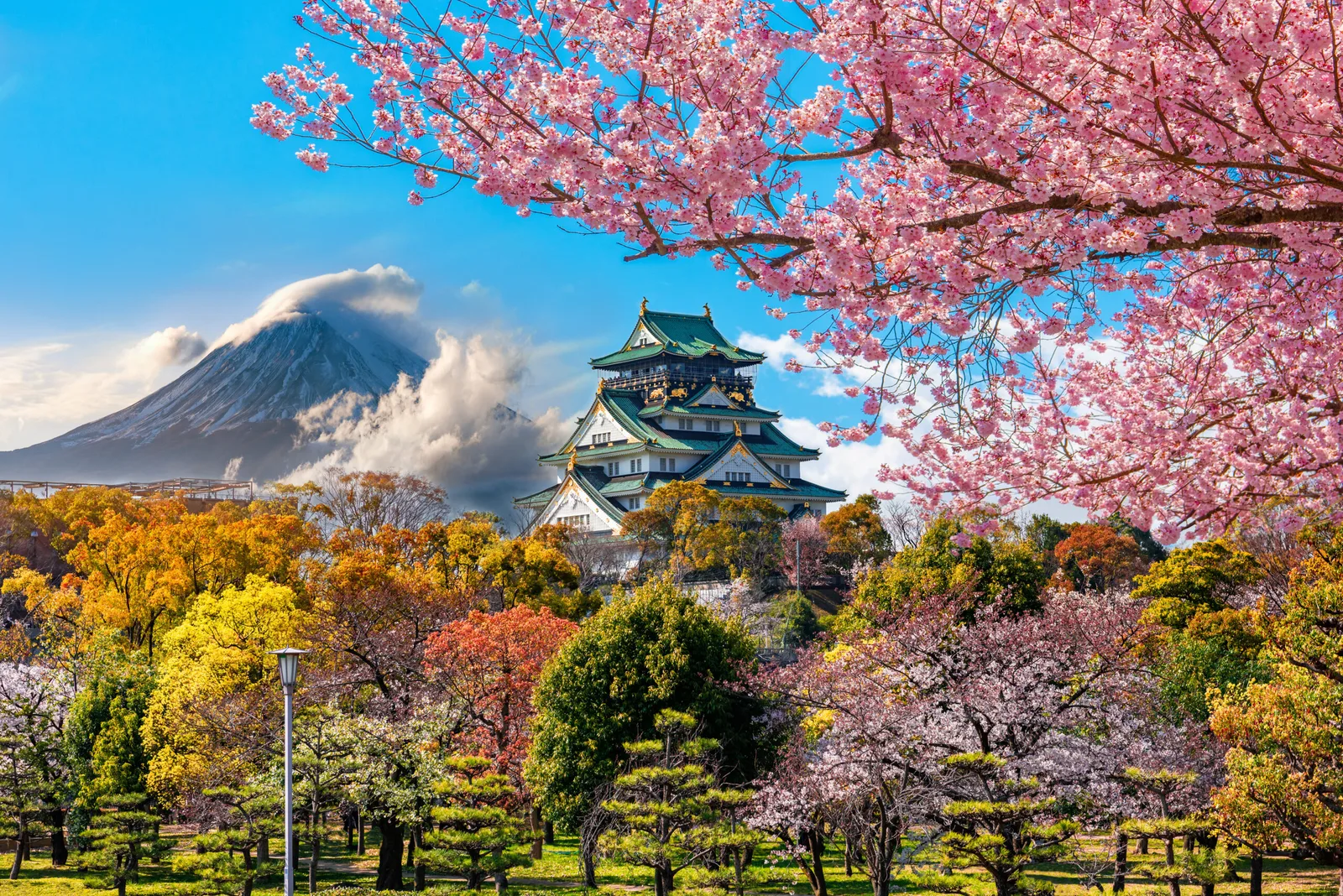
Grand Tour of Japan Prestige: a journey through Japanese tradition, modernity and culture
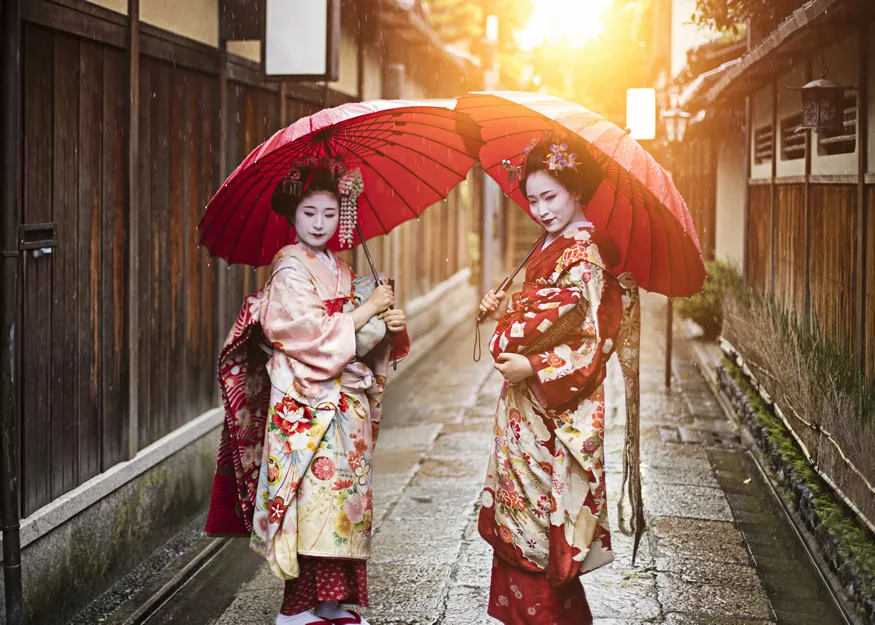
When we think of Japan, very precise images often come to mind: cherry trees in blossom, temples steeped in silence, the geisha of Kyoto or immense metropolises lit by neon signs. Yet the allure of the Land of the Rising Sun springs precisely from the harmonious coexistence of seemingly opposite worlds.
Japan is a country where the most advanced technology lives side by side with rituals centuries old, where high-speed trains arrive to the exact second while zen meditation is still practised in the temples. It is a destination that never stops surprising, because it manages to be futuristic and deeply spiritual at the same time.
From great metropolises such as Osaka and Tokyo to the more traditional landscapes of the Japanese Alps, the journey passes through places that differ greatly from one another, offering a broad and engaging view of Japanese culture.
Osaka: energy and food culture
The Grand Tour of Japan Prestige sets off from Osaka, one of the liveliest and most dynamic cities in Japan. Regarded as the culinary capital of Japan, Osaka is famous for a character that is more spontaneous and informal than that of other Japanese metropolises. A stroll along Dōtonbori means an immediate immersion in the urban atmosphere of contemporary Japan: giant illuminated signs, canals crossed by crowded bridges, venues open until late at night and the ever-present aroma of Japanese street food.
Here you can sample some of the best-loved specialities of Japanese cuisine, such as takoyaki — octopus-filled dumplings cooked on the griddle — or okonomiyaki, a kind of savoury pancake prepared with different ingredients depending on the region.
Osaka is also a city deeply attached to its own history. Osaka Castle, one of the country’s most important landmarks, tells of Japan’s feudal period and of Toyotomi Hideyoshi, the samurai who helped unify Japan in the sixteenth century. The city is the first encounter with the most modern face of the Land of the Rising Sun, one of energy, efficiency and constant evolution.
Hiroshima and Miyajima: historical memory and spirituality
Among the most significant stops on the tour is Hiroshima, a city that today stands as one of the world’s symbols of peace. A visit to the Peace Park and the Hiroshima Peace Memorial Museum brings you face to face with one of the most dramatic chapters of contemporary history. Destroyed by the atomic bomb in 1945, Hiroshima has over the years become a modern, well-organised city deeply committed to a culture of remembrance. Visiting Hiroshima also means understanding the extraordinary capacity of Japan to rebuild and reinvent itself.
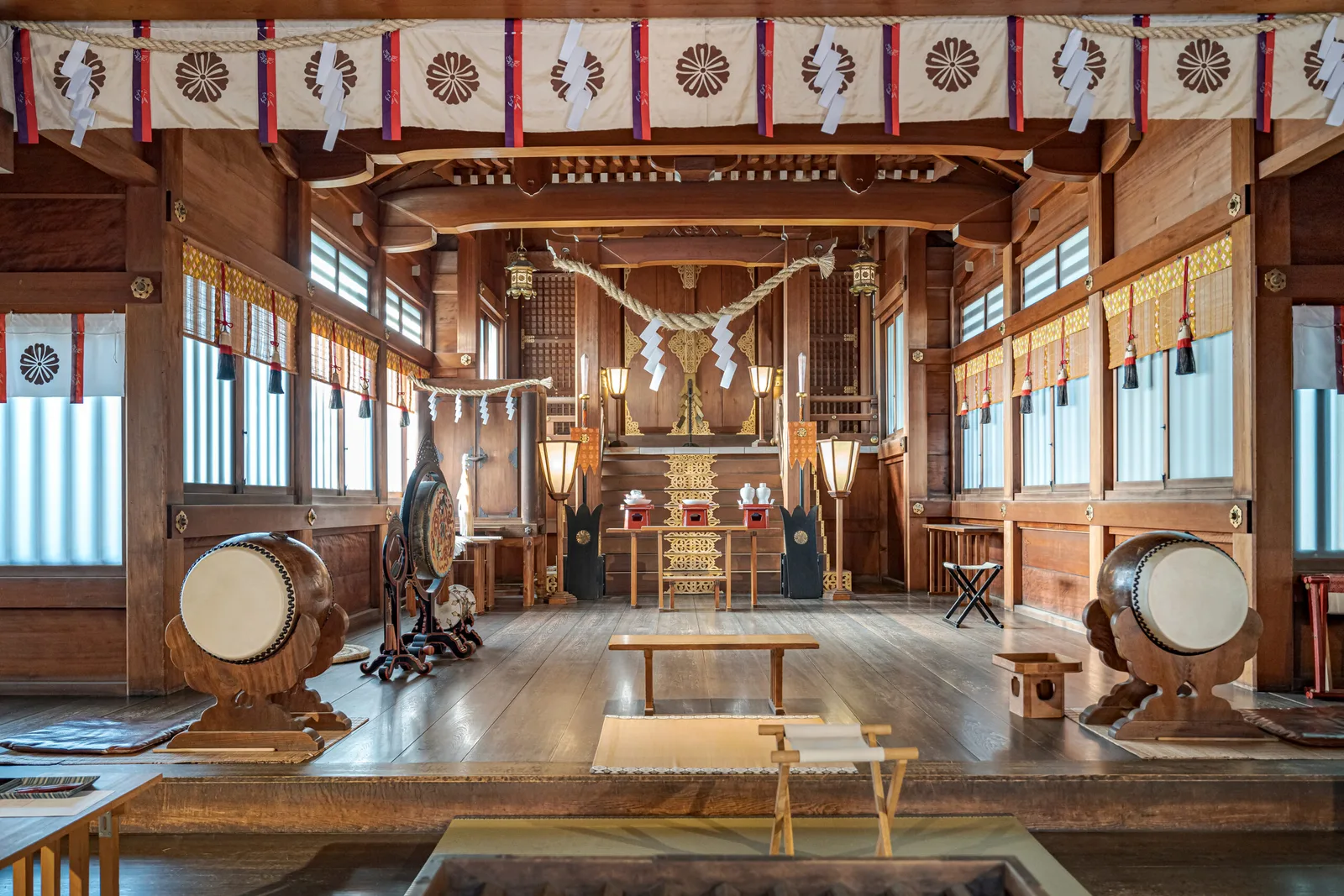
Not far away lies Miyajima, regarded as one of the most evocative places in the country. The island is famous for the Itsukushima Shrine and above all for its great red torii, which appears to float on the water at high tide. According to Shinto tradition, the island was considered so sacred that in the past no one was allowed to be born or to die there. Today Miyajima still retains a very special atmosphere: small temples set in nature, deer wandering freely and scenic paths leading up towards Mount Misen.
Kyoto: geisha, temples and tradition
Kyoto is the cultural heart of Japan. The country’s imperial capital for more than a thousand years, it still preserves some of the most iconic places of Japanese tradition. The historic districts, the wooden houses, the small traditional restaurants and the temples set in greenery tell of an authentic Japan, elegant and silent. Among the tour’s most important visits is Kinkaku-ji, the celebrated Golden Pavilion covered in gold leaf and surrounded by a refined zen garden. Just as evocative is the Fushimi Inari Taisha shrine, famous for its thousands of red torii forming long corridors up the mountainside.
In Japanese culture the torii mark the passage from the earthly world to the spiritual one, and it is precisely this sense of harmony and contemplation that makes Kyoto a unique city. A stroll through the Gion district, on the other hand, takes you into the world of the geisha and the maiko, young apprentices who study dance, music and the traditional arts. Kyoto is probably the place where the Japanese concept of “wa”, harmony between people, nature and the environment, is felt most strongly.
Nara: ancient Japan
The excursion to Nara reveals the first permanent capital of Japan. The city is famous above all for Todai-ji, one of the country’s most important Buddhist complexes, home to a gigantic bronze statue of the Buddha. Alongside the great temples, one of Nara’s most distinctive features is the presence of the sacred deer that live freely in the city park. According to the Shinto religion, these animals were considered divine messengers. They remain one of the city’s most recognisable symbols to this day. The atmosphere of Nara is profoundly different from that of the great metropolises: quieter, more spiritual and bound to the origins of Japanese culture.
Kanazawa: elegance, samurai and historic districts
Kanazawa is one of the most refined cities in Japan. Often less well known than Kyoto or Tokyo, it nonetheless preserves some of the best-kept historic districts in the country.
Here you visit Kenroku-en, considered one of the three most beautiful gardens in Japan. Designed according to the principles of traditional Japanese aesthetics, it changes its appearance completely with the seasons. Equally fascinating is the samurai district of Nagamachi, with its old residences, earthen walls and narrow lanes recalling the feudal period. Kanazawa is also celebrated for its gold leaf craft: most of the gold leaf used in Japan is still produced here. Strolling through the historic districts reveals an elegant Japan, discreet and deeply attached to the traditional arts.
Takayama: the country’s most authentic face
The tour continues to Takayama, in the heart of the Japanese Alps. This small town is famous for its perfectly preserved old centre of wooden houses, traditional inns and small artisan workshops. The old streets still tell of life in the Edo period, when Takayama was an important centre of craft production. The area is also known for the quality of its Japanese sake and for Hida beef, considered one of the finest varieties of wagyu in Japan. Takayama is one of the most evocative stops on the itinerary because it brings you into contact with the country’s more rural and traditional side.
Hakone and Mount Fuji: nature, onsen and iconic views
Hakone is one of the most famous spa resorts in Japan. Set within a volcanic area, it offers splendid views of Mount Fuji, the country’s spiritual and natural symbol. In Japanese culture Fuji-san is not merely a mountain but a sacred place deeply bound to the national identity. Hakone is also the ideal place to experience the onsen, the traditional Japanese hot springs fed by natural sources. The ritual of the thermal bath is still a very important moment in local culture, associated with relaxation, purification and wellbeing. Amid natural landscapes, volcanic lakes and traditional ryokan, this stop lets you slow the pace of the journey and experience a more contemplative Japan.
Tokyo: the future living alongside tradition
The Japanese capital is the symbol of Japanese modernity: skyscrapers, giant screens, ultra-high-tech districts and one of the most efficient rail networks in the world coexist with historic temples, traditional gardens and ancient customs. Shibuya perfectly embodies Tokyo’s contemporary face. Its famous pedestrian crossing has become one of the city’s symbols and speaks of the metropolis’s ceaseless energy. Akihabara, meanwhile, reveals the most technological and pop side of Japan, among electronics shops, manga, anime and otaku culture. Completely different is the atmosphere of Asakusa, the historic district that is home to the Sensō-ji temple, one of the most important in the capital. The Meiji-jingu shrine also offers a surprising contrast: set in greenery, it feels a world away from the urban frenzy despite standing in the heart of the city. Tokyo continually manages to unite innovation and tradition in a natural way. And it is precisely this ability to live with the past while constantly looking to the future that makes Japan so unique.
Travelling in Japan on an escorted tour
The organisation of Guiness Travel lets you get the most out of escorted tours of Japan, exploring the country in a relaxed and in-depth way without having to worry about logistics. Scheduled flights, selected hotels, organised transfers and a tour leader from Italy allow you to focus exclusively on the travel experience. Even the journeys by Shinkansen become an integral part of the experience. The famous Japanese bullet trains are indeed one of the symbols of the country’s modernity: absolute punctuality, quiet, cleanliness and comfort make every transfer extremely pleasant.


'%3e%3cg id='Final-Copy-2_2_' transform='translate(1275.000000, 200.000000)'%3e%3cpath class='st0' d='M7.4,12.8h6.8l3.1-11.6H7.4C4.2,1.2,1.6,3.8,1.6,7S4.2,12.8,7.4,12.8z'/%3e%3c/g%3e%3c/g%3e%3c/g%3e%3cg id='final---dec.11-2020'%3e%3cg id='_x30_208-our-toggle' transform='translate(-1275.000000, -200.000000)'%3e%3cg id='Final-Copy-2' transform='translate(1275.000000, 200.000000)'%3e%3cpath class='st1' d='M22.6,0H7.4c-3.9,0-7,3.1-7,7s3.1,7,7,7h15.2c3.9,0,7-3.1,7-7S26.4,0,22.6,0z M1.6,7c0-3.2,2.6-5.8,5.8-5.8 h9.9l-3.1,11.6H7.4C4.2,12.8,1.6,10.2,1.6,7z'/%3e%3cpath id='x' class='st2' d='M24.6,4c0.2,0.2,0.2,0.6,0,0.8l0,0L22.5,7l2.2,2.2c0.2,0.2,0.2,0.6,0,0.8c-0.2,0.2-0.6,0.2-0.8,0 l0,0l-2.2-2.2L19.5,10c-0.2,0.2-0.6,0.2-0.8,0c-0.2-0.2-0.2-0.6,0-0.8l0,0L20.8,7l-2.2-2.2c-0.2-0.2-0.2-0.6,0-0.8 c0.2-0.2,0.6-0.2,0.8,0l0,0l2.2,2.2L23.8,4C24,3.8,24.4,3.8,24.6,4z'/%3e%3cpath id='y' class='st3' d='M12.7,4.1c0.2,0.2,0.3,0.6,0.1,0.8l0,0L8.6,9.8C8.5,9.9,8.4,10,8.3,10c-0.2,0.1-0.5,0.1-0.7-0.1l0,0 L5.4,7.7c-0.2-0.2-0.2-0.6,0-0.8c0.2-0.2,0.6-0.2,0.8,0l0,0L8,8.6l3.8-4.5C12,3.9,12.4,3.9,12.7,4.1z'/%3e%3c/g%3e%3c/g%3e%3c/g%3e%3c/g%3e%3c/svg%3e) Cookie preferences
Cookie preferences