

Japan Young: a journey of freedom, culture and authentic discovery
For many people visiting Japan on an escorted tour for the first time, Tokyo is the first real contact with the Land of the Rising Sun. And it is an impact that is hard to forget. The Japanese capital is immense, frenetic and incredibly orderly. A city where millions of people move every day with an almost surreal precision.
But Tokyo is not only technology and skyscrapers. It is a city of constant contrasts. Within a few underground stops you pass from the futuristic atmosphere of Shibuya and Shinjuku to the spiritual silence of the Meiji-jingu shrine, set in a great urban forest in the heart of the city.
Shibuya is probably one of the districts that most strikes first-time visitors to Tokyo. The most famous pedestrian crossing in the world, the giant illuminated screens, the karaoke bars open until dawn, the multi-storey trainer shops and the little ramen bars tucked away in the alleys perfectly capture the most pop and contemporary face of Japan.
And then there is Tokyo by night. The night of the tiny izakaya of Golden Gai, of the arcades full of vintage video games, of the gashapon machines selling practically anything and of the convenience stores open 24 hours a day, where you often find yourself grabbing an impromptu snack after midnight.
The Asakusa district, by contrast, preserves the more traditional face of old Edo, the ancient Tokyo. Here you visit the famous Senso-ji temple, one of the country’s most important religious sites, surrounded by small historic shops and traditional street food.
Completely different is the face of Omotesando, elegant and contemporary, often described as the “Champs-Élysées of Tokyo” for its modern architecture, concept stores and designer cafés. Tokyo is a city that constantly changes pace and perspective. And this is precisely what makes it one of the most fascinating metropolises in the world.
Kamakura: great Buddhas, zen temples and the ocean
Among the most captivating stops on the journey is Kamakura, Japan’s ancient political capital and a coastal town famous for its relaxed, spiritual atmosphere. Little more than an hour from Tokyo, this small town is the perfect break from the frenetic rhythm of the big cities.
Kamakura is known above all for its celebrated Great Bronze Buddha, the Daibutsu, a gigantic statue more than 13 metres tall that has silently watched over the town for centuries. Unlike many other Japanese Buddhist statues, the Kamakura Buddha sits in the open air, a detail that makes it all the more evocative.
Wandering among the zen temples, the paths through the greenery and the little traditional streets, you sense a slower, more contemplative Japan. Here spirituality and daily life coexist naturally, amid incense, bamboo stirred by the wind and ancient Buddhist bells.
But Kamakura is also much loved by young Japanese people for its laid-back, seaside atmosphere. The small cafés, artisan boutiques and beaches facing the ocean help create an atmosphere entirely different from Tokyo’s.
Another curiosity that makes Kamakura particularly famous among younger travellers is the passing of the little local Enoden train, which has become iconic thanks in part to numerous Japanese anime. Some of the stops along the coast are in fact regarded as genuine cult destinations for fans of Japanese pop culture.
Kamakura thus manages to bring together spirituality, nature, pop culture and Japanese lifestyle in an extremely authentic way. And it is precisely this combination that makes it one of the most surprising stops on the itinerary.
Strolling among red torii, bamboo forests and tea houses in Kyoto
Kyoto is probably the most iconic image of traditional Japan. The ancient imperial capital for more than a thousand years, it is home to temples, shrines, historic districts and zen gardens that tell of the country’s most spiritual soul.
During the journey you visit some of Japan’s most famous sites, such as Kinkaku-ji — the famous Golden Pavilion — and Nijo Castle, the former residence of the Tokugawa shogun.
Among the most evocative experiences is the walk through the bamboo forest of Arashiyama, where the sound of the wind among the stalks creates an almost unreal atmosphere. Just as moving is the Fushimi Inari Taisha shrine, famous for its thousands of red torii climbing the mountainside.
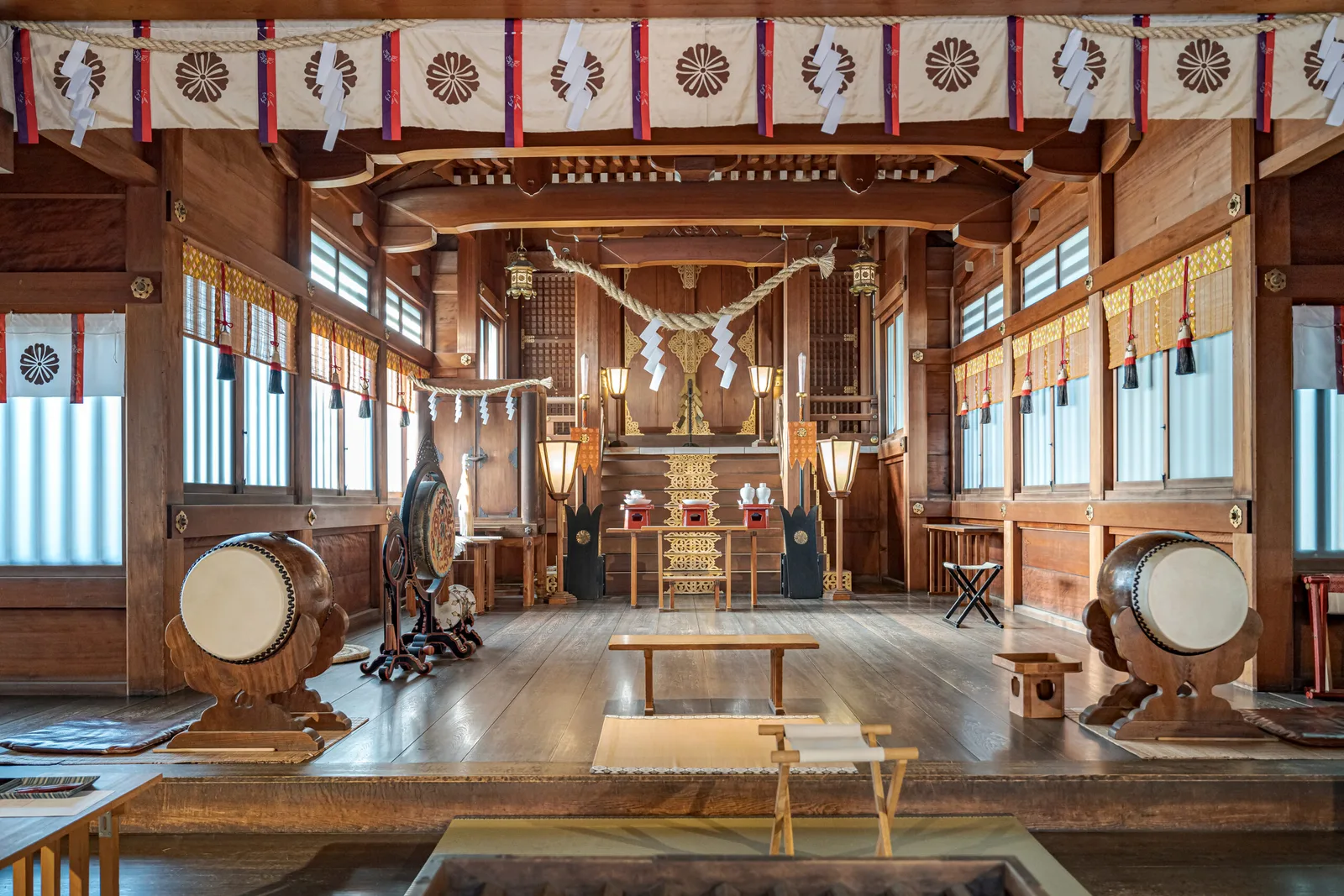
In Japanese culture the torii represent the symbolic passage into the spiritual world. But Kyoto is not only spirituality.
The city is also the perfect place to enjoy some of the most iconic experiences of contemporary Japan: wearing a yukata to stroll through the historic districts, drinking matcha in old tea houses or dining in small hidden venues along the Kamo river.
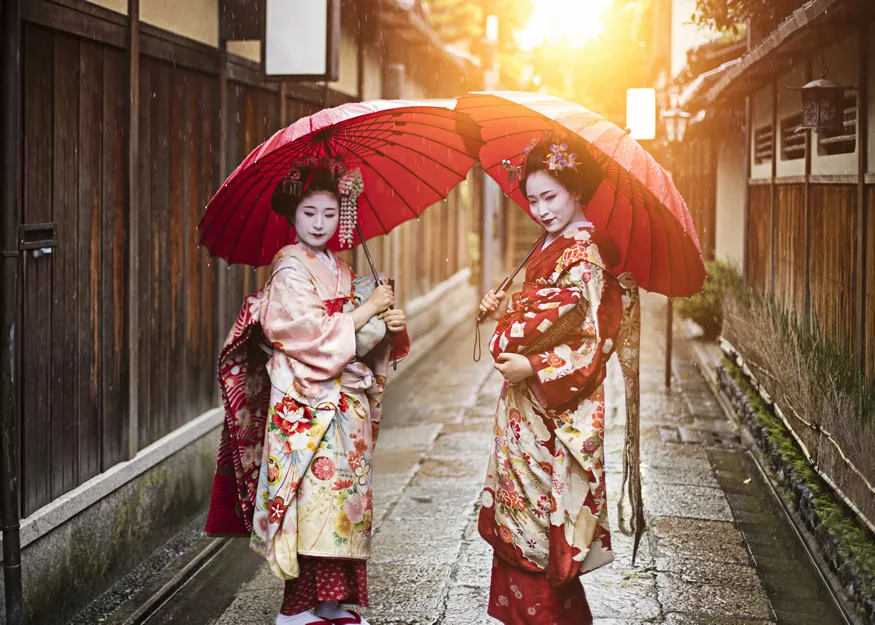
In the evening Gion changes atmosphere completely. The lanterns come on, the alleys fall silent and you often catch a glimpse of geisha and maiko hurrying between one tea house and the next. Kyoto is a city that naturally invites you to slow down, observe and let yourself be carried away by atmospheres hard to find anywhere else.
Osaka: street food, neon signs and Japanese nightlife
The last major stop on Japan Young is Osaka, one of the liveliest, most spontaneous and most entertaining cities in the country.
Often described as the culinary capital of Japan, Osaka wins you over immediately with its overwhelming energy, the more informal character of its inhabitants and its incredible food scene.
Here Japan looks different from the elegant composure of Kyoto or the orderly frenzy of Tokyo. Osaka is more direct, louder, wittier and incredibly alive, especially in the evening.
The beating heart of the city is without doubt Dōtonbori, the district of giant illuminated signs, canals crossed by crowded bridges and street food served until late at night. A stroll here means plunging completely into the urban atmosphere of contemporary Japan.
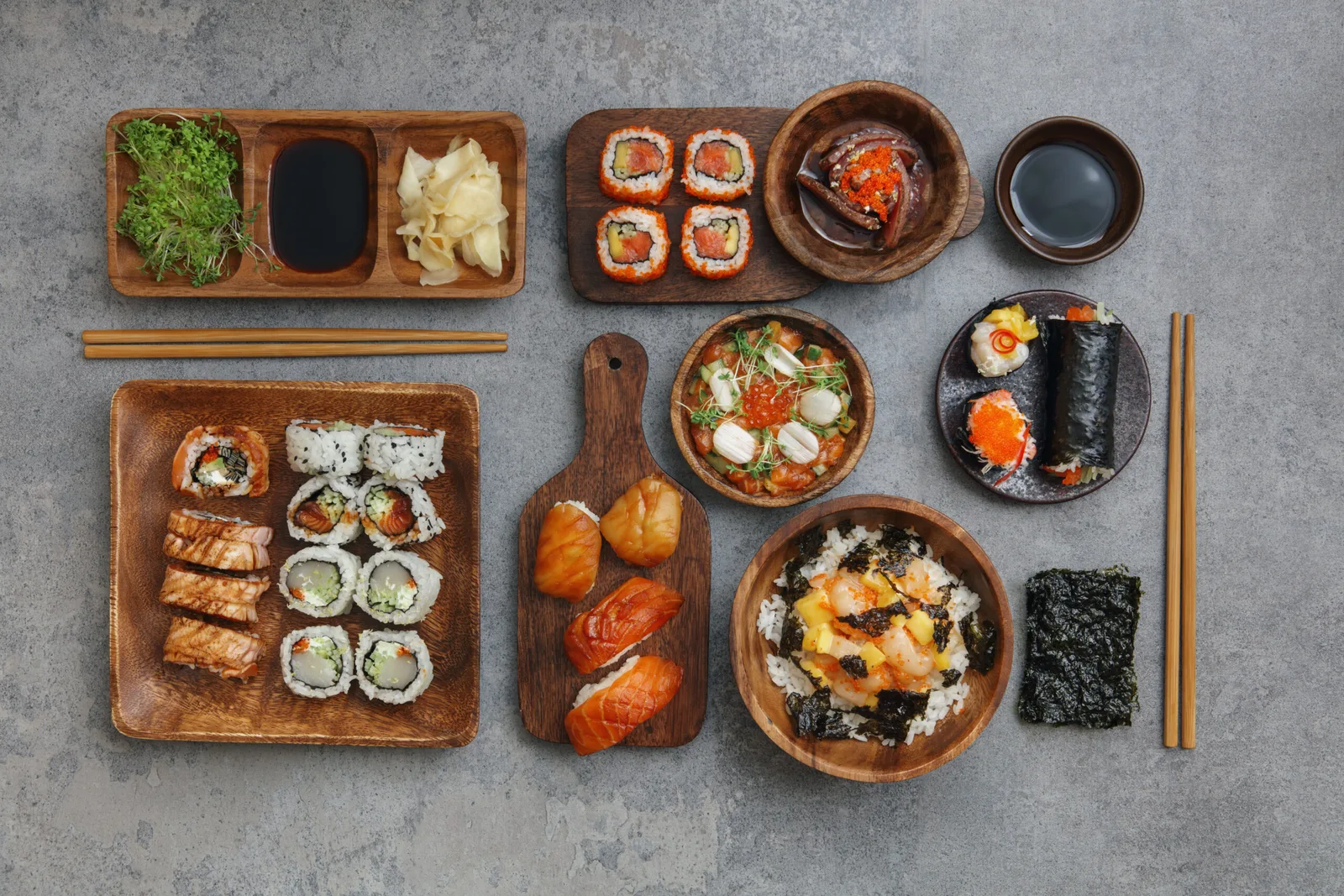
Between a photo beneath the famous Glico running man sign and a walk along the canal, you can sample some of the most iconic specialities of the local cuisine, such as takoyaki, octopus-filled dumplings served piping hot, or okonomiyaki, a kind of savoury pancake cooked right on the griddle.
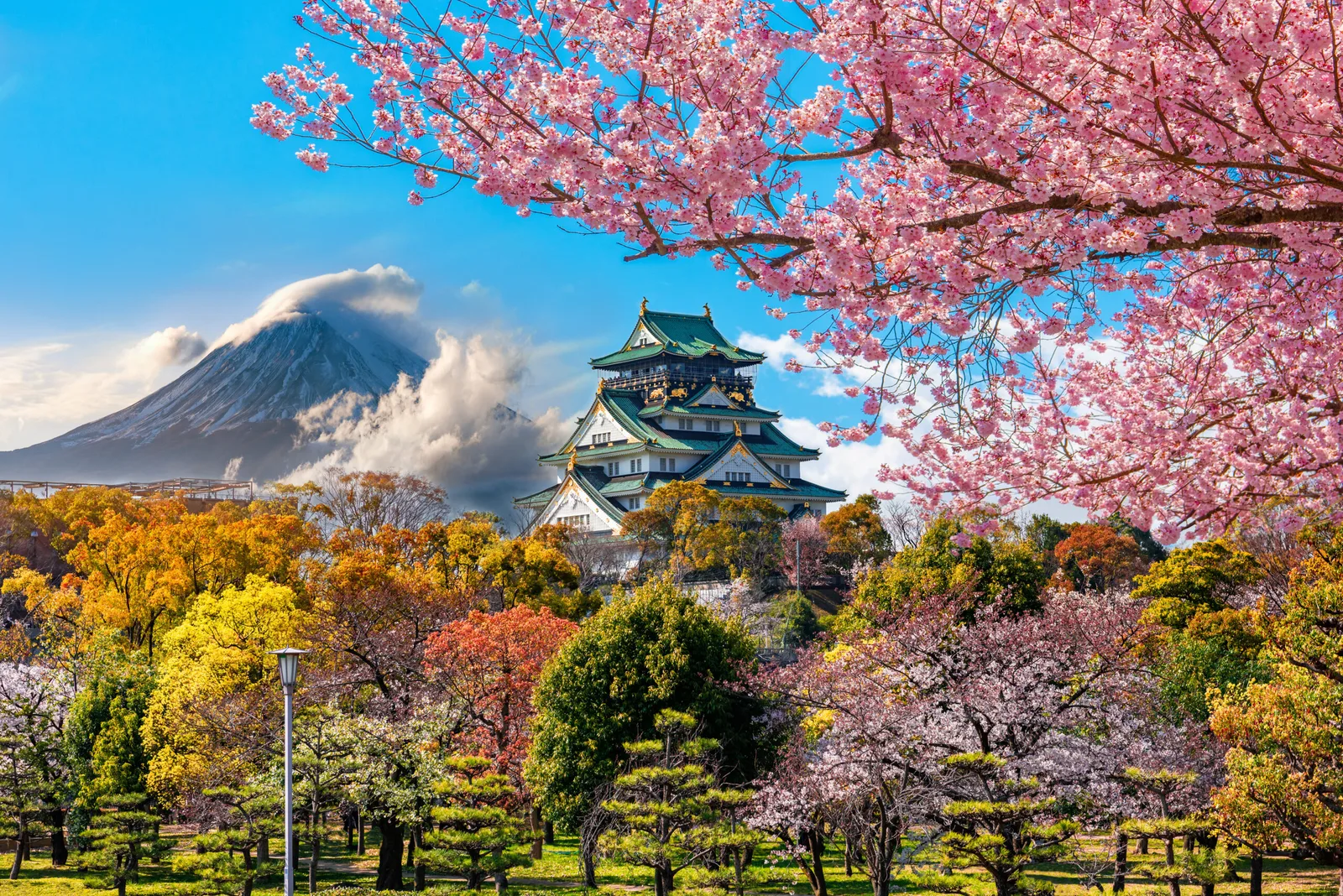
Osaka is also the perfect city for experiencing Japanese nightlife. Karaoke, arcades open until dawn, small hidden izakaya and districts packed with bars tell of the youngest and most sociable side of the journey. Also very distinctive is the Shinsekai district, where time seems to have stopped in the 1960s amid retro signs, coloured lights and traditional restaurants specialising in kushikatsu, the city’s typical deep-fried skewers. But Osaka is not only fun and nightlife. The city also preserves symbolic places such as Osaka Castle, linked to the samurai Toyotomi Hideyoshi and the history of Japan’s unification in the sixteenth century.
Osaka is the perfect finale to a journey through Japan: intense, authentic, full of energy and capable of leaving memories that stay with you far longer than the trip itself.
Why choose Japan Young
Japan is a destination that requires organisation, especially when it comes to getting around and managing the stops along the way. Choosing an escorted tour such as Japan Young lets you experience the country with greater peace of mind, without wasting time on logistical planning.
At the same time, the format leaves plenty of room for personal discovery and spontaneous exploration. It is the ideal solution for those who want to get to know Japan authentically, sharing the experience with people of the same age group and with similar interests.
Between all-night karaoke, hidden ramen bars, futuristic trains, zen temples, traditional markets, anime districts, onsen, street food and ultra-high-tech neighbourhoods, Japan never stops surprising.
And it is precisely this ability to be always different, without ever losing its identity, that makes it one of the most fascinating journeys to experience at least once in a lifetime. Because Japan is not merely a destination to see. It is a place to live intensely, especially when you discover it in the right spirit.

'%3e%3cg id='Final-Copy-2_2_' transform='translate(1275.000000, 200.000000)'%3e%3cpath class='st0' d='M7.4,12.8h6.8l3.1-11.6H7.4C4.2,1.2,1.6,3.8,1.6,7S4.2,12.8,7.4,12.8z'/%3e%3c/g%3e%3c/g%3e%3c/g%3e%3cg id='final---dec.11-2020'%3e%3cg id='_x30_208-our-toggle' transform='translate(-1275.000000, -200.000000)'%3e%3cg id='Final-Copy-2' transform='translate(1275.000000, 200.000000)'%3e%3cpath class='st1' d='M22.6,0H7.4c-3.9,0-7,3.1-7,7s3.1,7,7,7h15.2c3.9,0,7-3.1,7-7S26.4,0,22.6,0z M1.6,7c0-3.2,2.6-5.8,5.8-5.8 h9.9l-3.1,11.6H7.4C4.2,12.8,1.6,10.2,1.6,7z'/%3e%3cpath id='x' class='st2' d='M24.6,4c0.2,0.2,0.2,0.6,0,0.8l0,0L22.5,7l2.2,2.2c0.2,0.2,0.2,0.6,0,0.8c-0.2,0.2-0.6,0.2-0.8,0 l0,0l-2.2-2.2L19.5,10c-0.2,0.2-0.6,0.2-0.8,0c-0.2-0.2-0.2-0.6,0-0.8l0,0L20.8,7l-2.2-2.2c-0.2-0.2-0.2-0.6,0-0.8 c0.2-0.2,0.6-0.2,0.8,0l0,0l2.2,2.2L23.8,4C24,3.8,24.4,3.8,24.6,4z'/%3e%3cpath id='y' class='st3' d='M12.7,4.1c0.2,0.2,0.3,0.6,0.1,0.8l0,0L8.6,9.8C8.5,9.9,8.4,10,8.3,10c-0.2,0.1-0.5,0.1-0.7-0.1l0,0 L5.4,7.7c-0.2-0.2-0.2-0.6,0-0.8c0.2-0.2,0.6-0.2,0.8,0l0,0L8,8.6l3.8-4.5C12,3.9,12.4,3.9,12.7,4.1z'/%3e%3c/g%3e%3c/g%3e%3c/g%3e%3c/g%3e%3c/svg%3e) Cookie preferences
Cookie preferences