

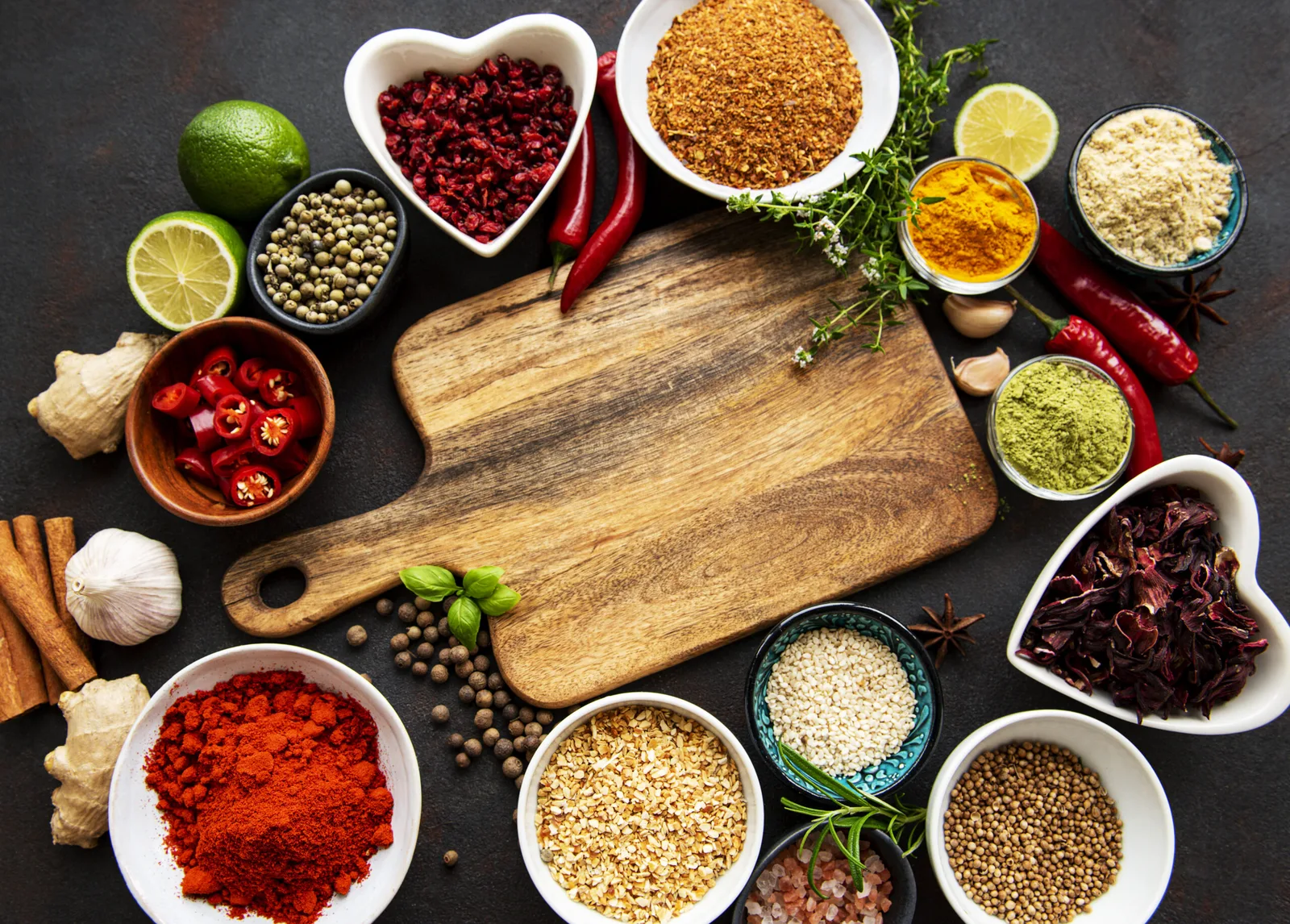
“Different countries, different customs”… this proverb always holds true when it comes to travel, and it includes food too.
Travelling also means immersing yourself in a new food culture made up of flavours and aromas that may be very different from those you are used to. There are, in fact, those who love to discover and taste new foods while travelling, and those who are more attached to their own eating habits.
These are very personal approaches, but what is certain is that through its cuisine you can also get to know a country or a culture better.
It is no coincidence that in recent years more and more travellers have been asking to enjoy a guided food and wine experience as part of a trip. Tastings, show cooking, cookery classes… these formats are increasingly loved and requested by travellers.
Producers, wineries and restaurants have understood how important food and wine tourism has become, and how it can also act as a marketing lever to attract new customers.
In particular, Eastern cuisine, with its unique colours and flavours, fascinates many travellers who cannot wait to set off and try the local specialities.
Let us look together at the peculiarities of a few Eastern cuisines, starting with the food traditions closest to Mediterranean culture and then venturing into the Far East.
Egypt
Egyptian cuisine has several characteristics in common with other countries on the Mediterranean, such as Greece, Lebanon and Turkey, although influenced by African traditions.
Spices are the real stars: turmeric, cumin, coriander and chilli are skilfully measured out to create colourful dishes with an often bold taste.
Couscous is often found on the table and is served with meat or vegetables to make a one-dish meal. Although meat is often used, there are many alternatives for vegetarians visiting Egypt.
You cannot fail to try Mahshi or Dolma: vine leaves stuffed with a spicy, piquant rice filling, dressed with vegetables or minced mutton.
Those who love bold flavours will certainly appreciate Koshari, a very inexpensive one-dish meal prepared with rice, short pasta, lentils, chickpeas, tomato sauce and vinegar, and finally garnished with onions.
Also not to be missed are Sambousek, the fried pastries typical of traditional Egyptian cuisine, filled with lamb, vegetables, cheese or lentils.
Iran
Persian cuisine is extremely sophisticated and complex, on a par with French cuisine, and has its origins in the Safavid period.
It is a highly varied cuisine that uses many different ingredients and well represents the cultural richness that has shaped the country’s history.
Among typical Iranian dishes we cannot forget Ab-Gusht, a meat broth with chickpeas, potatoes, tomatoes and spices, or Ghormeh Sabzi, a side dish of vegetables combined with beans, lemons and lamb.
Equally typical is Kebab, in its mutton and chicken versions, paired with a side of rice and vegetables.
Lovers of sweets will not be left unsatisfied: dried fruit and nuts are combined with spices such as cinnamon or saffron to create real delicacies.
Jordan
Jordanian cuisine draws largely on the Middle Eastern tradition, making generous use of spices to season meat, vegetables and rice. Chickpeas cooked in different ways are never absent from the table, whether as hummus or as falafel accompanied by vegetables and/or rice.
There is no shortage of Bedouin influences, to be found in the famous Zarb, the typical Bedouin barbecue. Meat and vegetables are cooked in the sand over an open fire and then served with various kinds of spicy, piquant sauces.
The most committed meat-eaters will go mad for Kufta, lamb or mutton meatballs kneaded together with numerous spices and onion. They are then baked in the oven and served with vegetables and potatoes.
Thailand
It is one of the most representative cuisines of South-East Asia, and much loved in the West too. In Italy, in fact, it is common to find Thai restaurants offering the country’s most typical recipes, but of course dishes enjoyed while travelling taste completely different.
First of all, it should be said that locals usually eat in the street, sampling the delicacies offered by the various stalls. Tourists are usually a little more cautious and prefer restaurants.
Herbs, spices and rice are the stars of the cuisine, mixed each time with meat or vegetables. Dishes are plated with great care and served in the centre of the table, ready to be tasted by all the diners; the social dimension of sharing food is very important in this country.
Pad Thai is perhaps one of the best-loved and most famous dishes: rice noodles are stir-fried with eggs and tofu and then flavoured with tamarind pulp, fish sauce, prawns, garlic, chilli and palm sugar. The finishing touch comes from slices of lime and peanuts.
Vietnam
Vietnamese food and drink will not disappoint travellers either, who can feast on rice combined with a multitude of recipes.
An excellent way to appreciate the local culinary traditions is a stroll around the Hanoi Market, losing yourself among the aromas and flavours of the typical produce. And after the market, why not put on an apron and try your hand at a recipe or two?
At Guiness, for example, we offer a real cookery class in the company of a chef, where you can learn to cook some typical dishes of the Vietnamese tradition.
The national dish is Pho: a soup with pieces of beef and rice noodles, enriched in flavour by mint, lime and bean sprouts. In the different regions of the country this dish is enhanced with other ingredients… those who travel around Vietnam have the chance to try it in several variations.
Another gem is Bò Kho, beef stewed or braised for a long time and then served in its own broth, enriched with vegetables of various kinds. Of this recipe, too, there are numerous tasty variations.
Choose Guiness Travel Tours
For Guiness Travel, travelling is an educational opportunity to be savoured in every respect: so food has its part to play too. In all our itineraries every last detail is taken care of, including the places where you eat.
All the itineraries in the catalogue are 100% independently planned and are carefully designed and tested, allowing the product to evolve constantly and reach a high, wide-ranging cultural level.
This is why we created the Exclusive Guiness Tour, a unique travel experience, attentive to sustainability, which will give you significant advantages:
- organisation;
- attention to detail;
- carefully selected services on the ground (designed to give you maximum comfort, leaving you free to think of nothing but enjoying the moment).
Team Guiness



'%3e%3cg id='Final-Copy-2_2_' transform='translate(1275.000000, 200.000000)'%3e%3cpath class='st0' d='M7.4,12.8h6.8l3.1-11.6H7.4C4.2,1.2,1.6,3.8,1.6,7S4.2,12.8,7.4,12.8z'/%3e%3c/g%3e%3c/g%3e%3c/g%3e%3cg id='final---dec.11-2020'%3e%3cg id='_x30_208-our-toggle' transform='translate(-1275.000000, -200.000000)'%3e%3cg id='Final-Copy-2' transform='translate(1275.000000, 200.000000)'%3e%3cpath class='st1' d='M22.6,0H7.4c-3.9,0-7,3.1-7,7s3.1,7,7,7h15.2c3.9,0,7-3.1,7-7S26.4,0,22.6,0z M1.6,7c0-3.2,2.6-5.8,5.8-5.8 h9.9l-3.1,11.6H7.4C4.2,12.8,1.6,10.2,1.6,7z'/%3e%3cpath id='x' class='st2' d='M24.6,4c0.2,0.2,0.2,0.6,0,0.8l0,0L22.5,7l2.2,2.2c0.2,0.2,0.2,0.6,0,0.8c-0.2,0.2-0.6,0.2-0.8,0 l0,0l-2.2-2.2L19.5,10c-0.2,0.2-0.6,0.2-0.8,0c-0.2-0.2-0.2-0.6,0-0.8l0,0L20.8,7l-2.2-2.2c-0.2-0.2-0.2-0.6,0-0.8 c0.2-0.2,0.6-0.2,0.8,0l0,0l2.2,2.2L23.8,4C24,3.8,24.4,3.8,24.6,4z'/%3e%3cpath id='y' class='st3' d='M12.7,4.1c0.2,0.2,0.3,0.6,0.1,0.8l0,0L8.6,9.8C8.5,9.9,8.4,10,8.3,10c-0.2,0.1-0.5,0.1-0.7-0.1l0,0 L5.4,7.7c-0.2-0.2-0.2-0.6,0-0.8c0.2-0.2,0.6-0.2,0.8,0l0,0L8,8.6l3.8-4.5C12,3.9,12.4,3.9,12.7,4.1z'/%3e%3c/g%3e%3c/g%3e%3c/g%3e%3c/g%3e%3c/svg%3e) Cookie preferences
Cookie preferences