

South-East Asia is a fascinating land inhabited by very different peoples, rich in history and culture, borne out by unique monuments. An itinerary through these countries brings you into contact with customs, ways of life, traditions and religions that enrich every kind of traveller.
Thailand, Malaysia, Vietnam, Cambodia, Myanmar, Laos… these are countries that every year attract millions of tourists curious to discover the wonders of these places, who return home with a rich store of emotions and memories.
Many travellers, after visiting South-East Asia, are deeply struck by the hospitality of these peoples, who make the tourist feel truly welcome and safe. It is no small thing to fly to the other side of the world, engage with a culture so different from the European one and feel so much at ease.
It is precisely this culture of hospitality, so tangible in South-East Asia, that offers travellers interesting food for thought and cultural comparison.
It is no coincidence that Thailand is also known as “the land of smiles”, and that throughout South-East Asia people tend to be unfailingly helpful and smiling with everyone. Vietnam too is famous for the smiles bestowed by a population that has fully internalised this way of interacting with others. The Vietnamese, in fact, make hospitality a genuine point of personal pride.
In some cases European travellers think it is all a pretence, and that these attitudes are only superficially courteous, without taking into account that Asian culture is profoundly different from European culture. The welcome with a smile, the effort to communicate using only a few words of English, the pleasure of spending time with a tourist are part of the roots of South-East Asian culture.
Since these are countries that differ greatly from one another, there are places that are far more touristy and equipped to welcome travellers, and others that are far more remote, authentic and wild. In every case, however, hospitality comes first.
While in the big cities it may be harder to interact deeply with the locals, the situation changes completely in the countryside and the small villages: there, life is much simpler and slower, far from the frenzy of the metropolises.
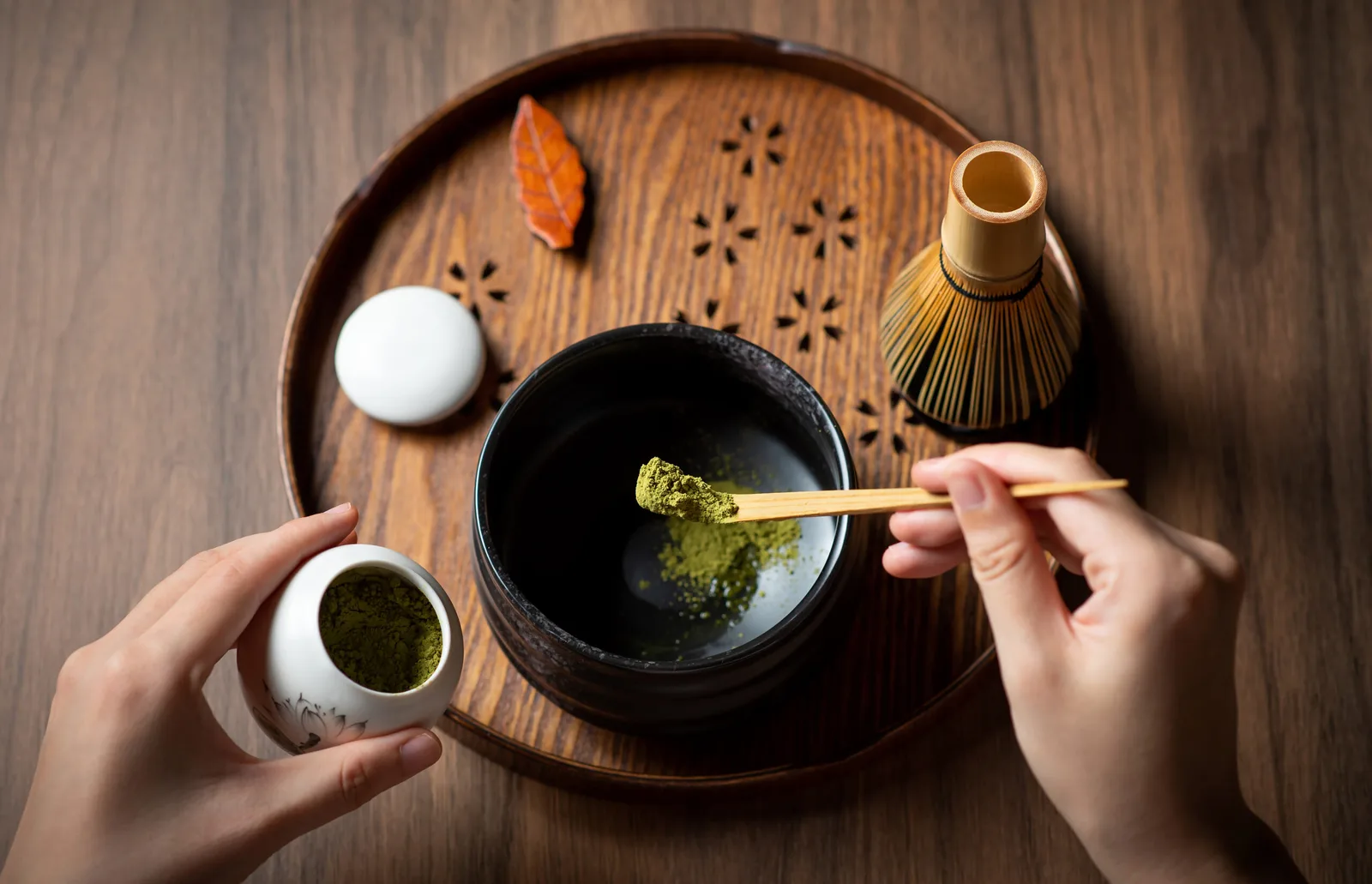
Even on a tour, it is not unusual to receive pleasant invitations to sip tea with the local people. Great indeed is the curiosity the locals show towards Western travellers: the geographical and cultural difference is felt as a reason for great interest, not suspicion.
The culture of hospitality also translates into a high quality of the services that welcome travellers: from grand hotels cared for in every last detail to restaurants and tea rooms of great refinement.
The whole vast area of South-East Asia is an immense human, historical and artistic laboratory, suited to all those with wide-ranging cultural and anthropological interests.
Hospitality also means being able to share some truly unique experiences with the locals; we describe a few of them here, but examples like these can be found all over South-East Asia.
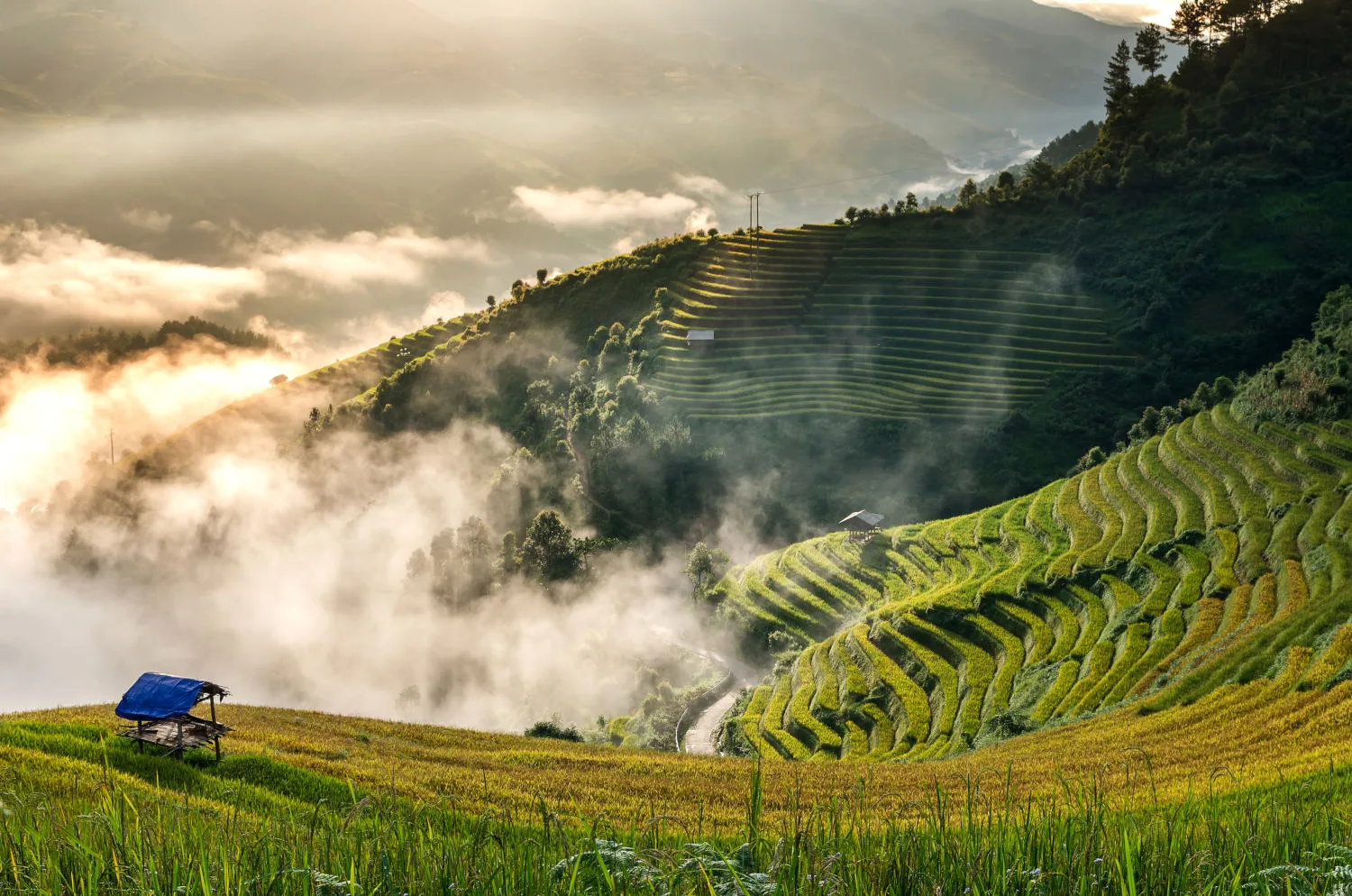
In Vietnam it is possible, among other things, to visit the wonderful terraced rice paddies. Around them cluster several villages, some inhabited by ethnic minorities: each speaks its own language and wears traditional dress. The women of the various tribes play an important role in the social order: they welcome tourists, accompany them on excursions, organise craft workshops and cook for them. Hospitality is the heart of this experience: the women try to put travellers at their ease, answer all their questions and host them, looking after them with delicious food and drink.
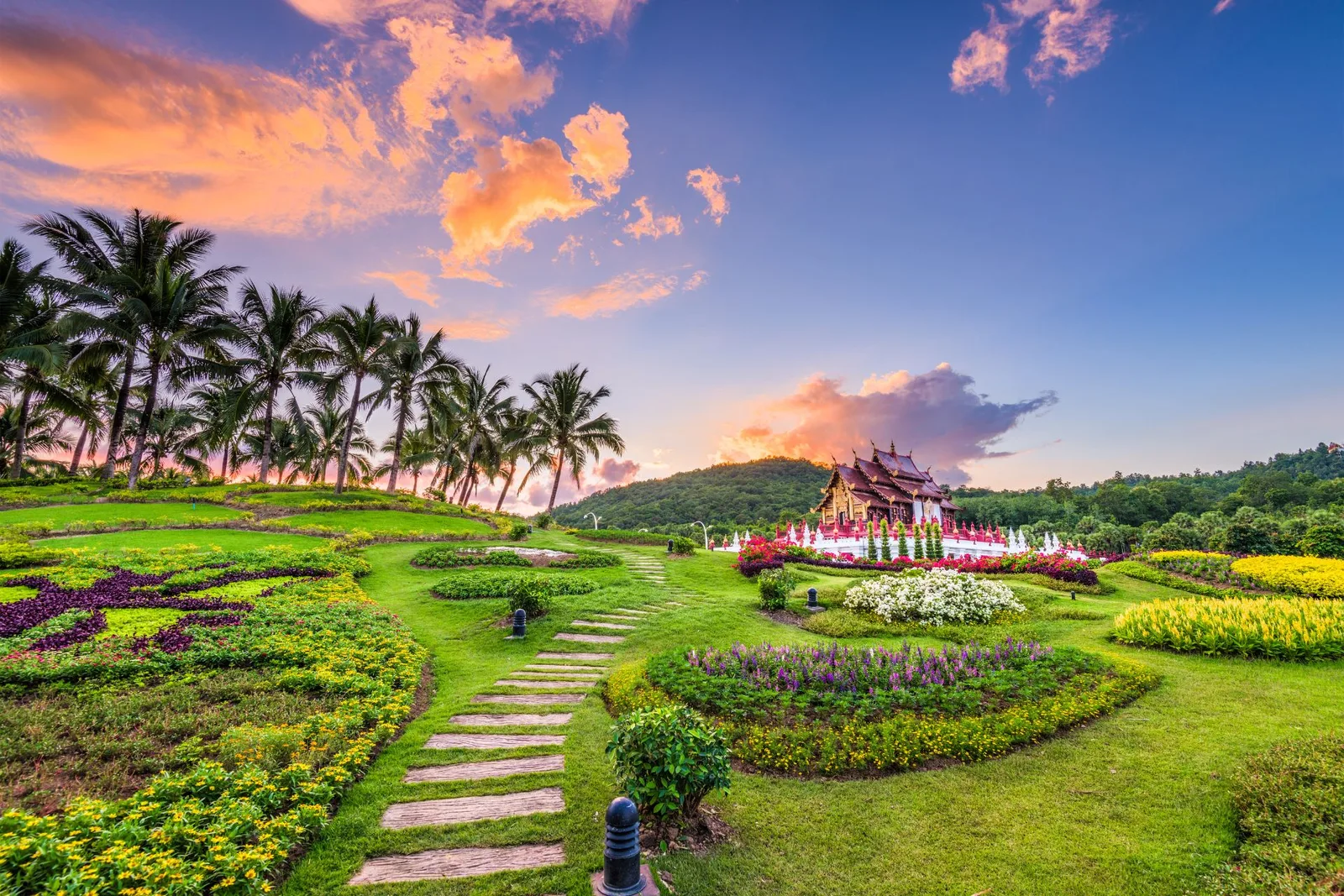
In Thailand, at the entrance to Buddhist temples, there is always a large group of people offering visitors a warm smile, water and food, always asking whether there are any particular needs or whether anything in particular is required.
In Malaysia, the extraordinary ethnic and cultural mix of the population, with Eastern and Western influences, has given rise to a keen attentiveness and great human sensitivity towards the stranger.
In Cambodia and Laos, too, for example when you skirt traditional villages along rivers and lagoons, it warms the heart to see adults and children crowding the banks to send greetings and gestures of great affection and warmth.
Choose the Guiness Travel Tours
Guiness Travel organises numerous tours in South-East Asia so that travellers wishing to enjoy an unforgettable experience can discover these places of rare beauty and unique charm.
All the itineraries bearing the Guiness name are 100% independently planned and carefully designed and tested, allowing the product to evolve constantly and reach a high, wide-ranging cultural level.
The Guiness Exclusive Tour is a unique travel experience, mindful of sustainability, which offers you considerable advantages:
- organisation;
- attention to detail;
- a search for excellent services on the ground (designed to give you maximum comfort, leaving you free to think of nothing but enjoying the moment).
DISCOVER ALL OUR TOURS IN SOUTH-EAST ASIA
Team Guiness

'%3e%3cg id='Final-Copy-2_2_' transform='translate(1275.000000, 200.000000)'%3e%3cpath class='st0' d='M7.4,12.8h6.8l3.1-11.6H7.4C4.2,1.2,1.6,3.8,1.6,7S4.2,12.8,7.4,12.8z'/%3e%3c/g%3e%3c/g%3e%3c/g%3e%3cg id='final---dec.11-2020'%3e%3cg id='_x30_208-our-toggle' transform='translate(-1275.000000, -200.000000)'%3e%3cg id='Final-Copy-2' transform='translate(1275.000000, 200.000000)'%3e%3cpath class='st1' d='M22.6,0H7.4c-3.9,0-7,3.1-7,7s3.1,7,7,7h15.2c3.9,0,7-3.1,7-7S26.4,0,22.6,0z M1.6,7c0-3.2,2.6-5.8,5.8-5.8 h9.9l-3.1,11.6H7.4C4.2,12.8,1.6,10.2,1.6,7z'/%3e%3cpath id='x' class='st2' d='M24.6,4c0.2,0.2,0.2,0.6,0,0.8l0,0L22.5,7l2.2,2.2c0.2,0.2,0.2,0.6,0,0.8c-0.2,0.2-0.6,0.2-0.8,0 l0,0l-2.2-2.2L19.5,10c-0.2,0.2-0.6,0.2-0.8,0c-0.2-0.2-0.2-0.6,0-0.8l0,0L20.8,7l-2.2-2.2c-0.2-0.2-0.2-0.6,0-0.8 c0.2-0.2,0.6-0.2,0.8,0l0,0l2.2,2.2L23.8,4C24,3.8,24.4,3.8,24.6,4z'/%3e%3cpath id='y' class='st3' d='M12.7,4.1c0.2,0.2,0.3,0.6,0.1,0.8l0,0L8.6,9.8C8.5,9.9,8.4,10,8.3,10c-0.2,0.1-0.5,0.1-0.7-0.1l0,0 L5.4,7.7c-0.2-0.2-0.2-0.6,0-0.8c0.2-0.2,0.6-0.2,0.8,0l0,0L8,8.6l3.8-4.5C12,3.9,12.4,3.9,12.7,4.1z'/%3e%3c/g%3e%3c/g%3e%3c/g%3e%3c/g%3e%3c/svg%3e) Cookie preferences
Cookie preferences